Pallet Liquidation for Startup Businesses
Key Mistakes to Avoid in Pallet Liquidation: A Beginner's Guide
Within the realm of pallet liquidation, newcomers often come across several pitfalls that can hinder their success. Many newcomers fail to consider essential elements such as thorough market research and proper pallet evaluation. Additionally, they may fail to account for the importance of networking and hidden costs. Each of these missteps can considerably influence profitability. Understanding these common mistakes is critical for those seeking to navigate this complex landscape effectively. What strategies can guarantee a more successful entry into pallet liquidation?
How to Avoid Misjudging Pallet Quality in Liquidation
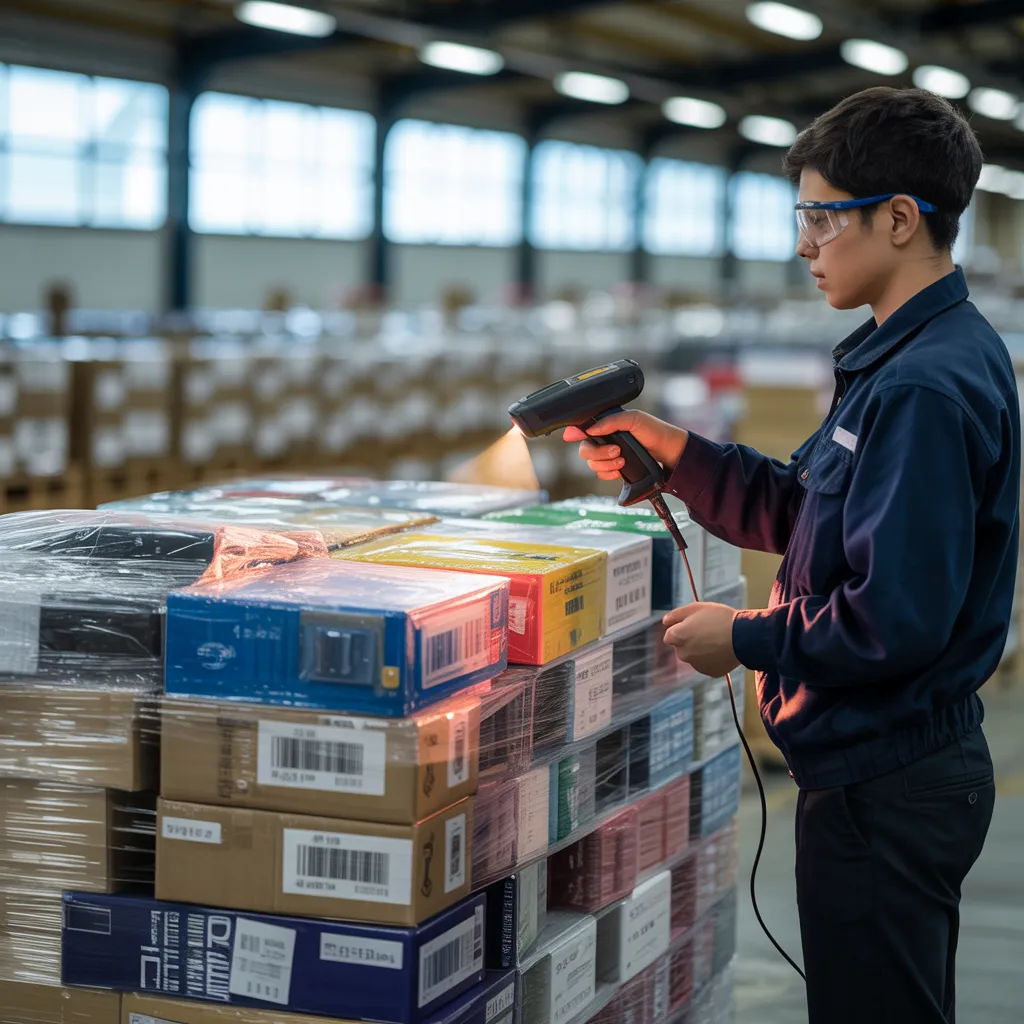
In the field of pallet liquidation, assessing quality is critical. Newcomers frequently misassess the state of pallets, which can cause substantial monetary setbacks. Recognizing the difference between recoverable and unrecoverable items is crucial. Many individuals tend to overlook superficial damages, assuming that minor wear does not affect overall value. However, hidden defects can result in additional costs during resale or disposal.
Moreover, depending only on visual inspections proves to be unreliable. One should scrutinize product descriptions closely and, whenever the chance presents itself, inspect pallets firsthand. This practice helps in identifying latent defects that may go unnoticed at first glance. Moreover, recognizing marketplace trends for select items assists in projecting anticipated gains. Through emphasizing a comprehensive assessment of pallet condition, dealers can circumvent unnecessary losses and improve returns on their investments. Recognizing the importance of quality assessment serves as a critical stepping stone to achieving success in pallet liquidation.
Familiarize Yourself with Local Regulations
When navigating the challenges of pallet liquidation, grasping local regulations is essential for achieving success. Following local laws can considerably affect the profitability and feasibility of a liquidation business. Every region may enforce particular rules concerning the resale of goods, encompassing safety standards and labeling requirements. Neglecting to comply with these regulations can lead to fines or even legal consequences, putting the entire operation at risk.
In addition, land use laws might influence the areas in which liquidation activities may be conducted. A thorough awareness of municipal rules will assist in avoiding significant missteps, such as establishing a warehouse in a restricted zone. Moreover, some states impose taxes on certain types of merchandise or require copyrights events. Therefore, undertaking in-depth research regarding local ordinances is an essential action for individuals venturing into the pallet liquidation business. Following these regulations facilitates smoother business processes and fosters long-term success in the business.
Carry Out Market Research for Pallet Liquidation
Performing comprehensive market research is crucial for achieving successful pallet liquidation. The process involves analyzing local demand trends, reviewing competitor offerings, and examining pricing strategies to guarantee a competitive edge. Through understanding these key factors, companies can make well-informed decisions that strengthen their liquidation efforts.
Examine Local Demand Trends
How does a thorough understanding of local demand trends profoundly affect pallet liquidation useful information success? Examining these trends enables liquidators to match their inventory with community needs, guaranteeing greater sales potential. Local demand may shift substantially depending on elements such as seasonality, economic circumstances, and demographic transitions. By performing detailed market research, liquidators can pinpoint which products are most demanded and refine their purchasing strategies appropriately. This knowledge not only reduces unsold inventory but also improves profitability. Furthermore, staying aligned with local preferences can assist in developing focused marketing strategies, building stronger relationships with prospective buyers. Ultimately, a keen awareness of local demand trends equips pallet liquidators with the necessary tools to make informed decisions and optimize their operations.
Examine Competitor Offerings
A comprehensive understanding of competing products and services can greatly enhance a pallet liquidator's position in the market. By performing thorough market analysis, liquidators can pinpoint the types of pallets and products competitors are offering, as well as their sourcing strategies. This insight helps in pinpointing market opportunities that could be exploited for better profitability. Additionally, evaluating competitors' advantages and shortcomings allows liquidators to differentiate their own offerings, ensuring they address buyer expectations with greater success. Monitoring customer feedback on competitor products can yield important data on performance and service benchmarks. Ultimately, exploring competitor offerings equips pallet liquidators with the understanding necessary to refine their approach and better position themselves in a dynamic market environment.
Analyze Pricing Strategies
Evaluating price structures is essential for pallet liquidators aiming to boost their earnings. To create successful pricing, resellers must perform comprehensive market research, studying the consumer interest in specific goods and rival listings. Understanding regional price variations and cyclical patterns can shed light on effective pricing frameworks. In addition, evaluating purchase prices with expected selling prices aids in pinpointing profitable margins. Resellers should also account for target audience characteristics; adjusting price points to distinct purchasing audiences can boost transaction volumes. Furthermore, embracing dynamic pricing approaches, such as savings for volume buying or limited-time offers, can attract more customers. In the end, a carefully developed pricing strategy not only enhances revenue but also establishes the reseller favorably among industry rivals.
Recognizing Concealed Expenses in Pallet Liquidation
In pallet liquidation, unexpected costs can substantially influence profit margins. Unanticipated freight costs, auction platform charges, and revenue losses due to unsold stock commonly remain undetected. Recognizing these costs is critical for an effective liquidation approach.
Surprise Delivery Costs
While investigating pallet liquidation options, one critical area often overlooked is the potential for unexpected shipping fees. Most first-time buyers fixate on the cost of the inventory itself but overlook the extra costs connected to moving the pallets. Shipping fees can vary greatly based on the vendor's geographical position, the volume of the cargo, and the chosen copyright. Moreover, a number of suppliers may add surcharges for freight services or expect purchasers to coordinate their own freight, making the process more complex. To avoid unpleasant surprises, it is essential to clarify shipping terms before concluding a deal. Recognizing these charges can eliminate significant financial overages, guaranteeing a more precise monetary evaluation of the complete liquidation undertaking.
Auction Platform Charges
Maneuvering through the landscape of pallet liquidation commonly exposes a web of auction platform costs that can substantially impact profitability. A large number of beginners fail to notice these concealed expenses, which can include listing fees, end-value fees, and payment handling costs. All platforms maintain distinct fee arrangements, and understanding these can eliminate surprise financial burdens. Furthermore, some auctions may impose buyer's premiums that increase the total buying cost. It is vital for beginners to carefully examine the service agreements and cost breakdowns before committing to any platform. By staying aware of these charges, resellers can more effectively gauge their complete financial commitment and expected gains, ultimately leading to better-informed buying choices.
Losses From Unsold Inventory
Recognizing financial losses from unsold inventory is crucial for professionals working in pallet liquidation. Products that go unsold can accumulate costs that substantially influence profitability. Initially, there are storage fees, which rise as time passes as products sit unsold. In addition, leftover products can lead to price cuts or liquidation sales, steadily cutting into possible earnings. Moreover, the risk of obsolescence or damage rises over time, resulting in greater financial exposure.
Furthermore, companies frequently miss the monetary implication of money invested in unsold stock, which could have been directed toward other opportunities. A thorough evaluation of stagnant merchandise enables business owners to reach better decisions, limit potential losses, and refine future procurement strategies. Acknowledging these concealed expenses is crucial to maintaining a profitable pallet liquidation business.
Develop Your Network
Establishing a solid set of connections is crucial for individuals entering pallet liquidation. Forming connections with professionals in the industry, supply partners, and other liquidators can substantially increase opportunities and insights. Engaging with nearby businesses, going to industry trade shows, and participating in online forums can foster relationships that generate useful data about finding pallets and staying current with market developments.
Moreover, building connections can lead to valuable partnerships, facilitating group purchasing or shared expertise regarding profitable selling strategies. Through engaging with established liquidators, novices can obtain mentorship, benefiting from counsel on steering clear of common pitfalls.
Moreover, online communities and social media platforms prove to be invaluable tools for building a wider professional network. Regular interaction in these spaces can lead to discovering potential buyers and suppliers. At the core, a strong network is not just a support system; it is an essential resource that can accelerate a beginner's progress in the business of pallet liquidation.
Essential Sales Strategies for Pallet Liquidation
Developing expertise in sales methods for liquidating pallets can significantly influence profitability. Understanding market demand is fundamentally important; retailers should conduct thorough research to determine which items are in demand and resonating with customers. Price structures also play an important role; competitive pricing can draw in potential customers while preserving a satisfactory profit margin.
Utilizing digital marketplaces for selling can widen the pool of potential buyers, enabling sellers to engage a broader customer segment. Strategic promotional strategies, such as crafting compelling listings with detailed images and comprehensive descriptions, can improve reach and engagement.
Fostering relationships with loyal customers builds trust and dedication, which can generate reliable revenue. Finally, providing special offers or discounts can generate interest and accelerate sales, decreasing overstock levels. Through applying these approaches, beginners can navigate the complexities of pallet liquidation and increase their overall gains.
Common Questions and Answers
What Is Pallet Liquidation, and How Does It Work?
Pallet liquidation involves buying surplus or returned goods, frequently in large quantities, from retailers or wholesalers at a discounted rate. Buyers acquire pallets packed with mixed merchandise, spanning from electronics to apparel, which they can then resell individually or in smaller batches. The procedure generally encompasses bidding at liquidation auctions or purchasing directly from liquidation companies. Achieving success in this industry demands an understanding of market demand and effective inventory management to optimize earnings.
Where Can I Locate Trustworthy Liquidation Suppliers?
To locate trustworthy liquidation vendors, the best approach is to start by exploring online directories and discussion forums where knowledgeable buyers offer their perspectives. Going to trade shows and professional networking events can also provide valuable connections. Confirming supplier qualifications and reading customer reviews helps establish trust. Moreover, requesting suggestions from professional peers may point you toward dependable resources. It remains important to assess pricing structures and terms to guarantee a fair deal, which ultimately promotes a favorable procurement experience.
What Categories of Products Are Generally Available in Liquidation Pallets?
Liquidation pallets generally feature an assorted selection of merchandise, including furniture, electronics, toys, clothing, and home goods. Such merchandise commonly stems from overstock, returns, or discontinued lines, causing conditions that vary from pristine to damaged. Sellers may feature products from recognizable brands, providing possible value for those looking to resell. That said, the precise contents may vary considerably, making it essential for buyers to thoroughly research and inspect pallets before purchase to maximize their investment.
How Do I Assess the Resale Value of Liquidation Items?
To determine the market value of liquidated goods, you should investigate similar goods online to determine going rates. Browsing comparable items on platforms like eBay or Amazon can offer valuable information about ongoing demand and market pricing. In addition, evaluating the physical condition of the item, brand credibility, and additional components included can impact overall worth. Lastly, factoring in shipping costs and competition in the local market enables you to create a fair yet lucrative resale price.
What Are the Most Common Mistakes Beginners Make in Pallet Liquidation?
Common pitfalls for beginners in pallet liquidation include failing to account for expenses like shipping and handling fees, which can greatly affect overall earnings. Numerous newcomers also overlook the importance of researching the market value of goods, resulting in misguided buying choices. Moreover, disregarding effective inventory management strategies can cause products to remain unsold. New sellers may also fail to carefully examine pallets before purchase, jeopardizing their funds by purchasing defective or unmarketable merchandise. Ultimately, insufficient knowledge of local regulations can lead to compliance issues.